Parent's Guide to Gardening with Children

Hello Friends! Welcome back to ASW Homestead! Today we will be discussing ways to encourage children away from the screens and into the garden. Gardening with children can be a fun and productive way to spend time together. It allows time to reconnect with each other, learn about nature, and get some exercise. Let’s first talk about some of the benefits of gardening with children.

4 Benefits of Gardening with Children

  • Improve your family’s eating habits. Getting your children to eat a variety of foods can be tricky! However, children are more excited about eating fruits and vegetables that they’ve grown themselves. And, the anticipation of harvesting their plants will encourage them to try new foods.
  •  
  • Become more environmentally conscious. Screen time and the internet usage often keep children indoors much of the time. The garden is a good way to allure them away from the artificial world and into the natural world. 😊 Working in the dirt with plants and insects is a valuable reminder about our dependence upon the natural world.
  •  
  • Reinforce a sense of gratitude. It’s easy to forget all the effort that goes into producing the food we eat if we just order it online or pick it up at the store. Even a small venture into gardening can increase our appreciation for the hard work involved.
  •  
  • Get more physically active. Sedentary lifestyles put children at risk for becoming overweight. Again, alluring them away from the artificial world of screens and into the natural world is better for the overall health of our children. And, planting and weeding the garden are great ways to integrate more activity into daily routines.

Choose the Crops with Children in Mind

Remember this is a group activity so start by choosing to grow the foods you and your children love to eat or want to try. It’s also a good idea to focus on crops that are well-suited to your climate and soil.

Some beginner-friendly crops include:
  • Tomatoes: A staple in many gardens, tomatoes are relatively easy to grow. Tomatoes are also versatile in many child friendly recipes like pizza and chili.
  • Leafy Greens: Lettuce, spinach, and kale are quick growers which may encourage children new to gardening. They also don’t take up much space making them perfect for a raised garden bed. 
  • Root Vegetables: Carrots, radishes, and potatoes are great for beginner gardeners. Root vegetables can be grown in the ground or in raised beds.
  • Herbs: Basil, rosemary, and parsley are easy to grow and add fresh flavor to your favorite meals or for herbal remedies.

Garden Setup with Children in Mind

  • Garden Beds: Decide whether you’ll plant directly in the ground, use raised beds, or containers. Raised beds are great for beginners because they’re easier to manage, typically produce less weeds, and help with soil drainage.
  • Composting: Start a compost pile to recycle kitchen scraps and yard waste into nutrient-rich compost for your garden. It’s an excellent way to introduce children to cycles in nature while improving soil health naturally.
  • Mulching: Mulch your garden beds with straw, wood chips, or leaves to retain moisture, suppress weeds, and improve soil fertility.
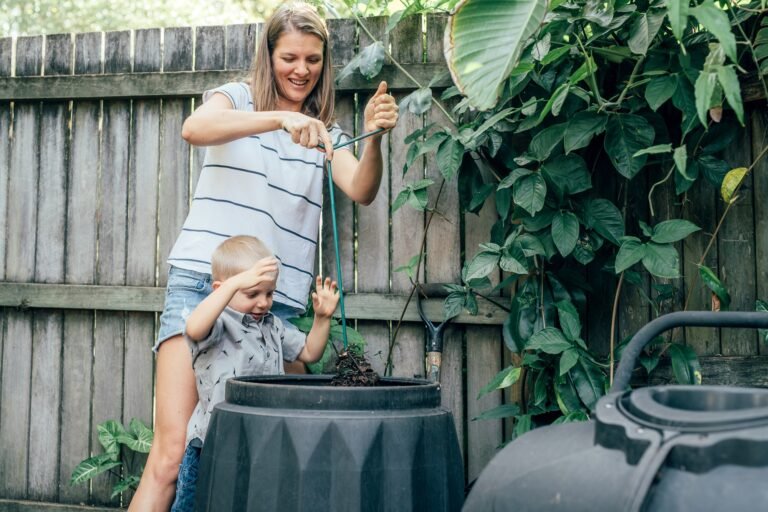
A mother with her little son mixing compost in the garden

Gardening with Younger Children

  • Let kids assume ownership. Small children will need guidance and instruction but let them take a leadership role. They can help select the plants they want to grow and the tasks they like the best. Provide lots of praise and positive feedback as they gradually assume more responsibility over time.
  •  
  • Keep it simple. Break tasks down into individual steps that your child can understand. Encourage them to select plants that will be easy to grow. Most beans thrive with little care. Plus, they’re nutritional powerhouses and the big seeds make them a cinch for children to handle.
  •  
  • Provide instant gratification. Fast results will keep kids motivated. Radishes are usually ready to pick in less than three weeks. Mix in some smaller lettuce plants with the larger ones and you’ll have tender salad greens in about the same time.
  •  
  • Make it educational. Use your garden to teach everything from science to poetry. You can talk about how weather affects plants and recite poems about flowers.
  •  
  • Play it safe. Make it a rule that they need to ask an adult for approval before they eat any plant. Avoid dangerous chemicals and be careful with sharp tools.
  •  
  • Have fun. Encourage your children to invite friends over to help. Unusual varieties of plants can be amusing, so shop around for fun seeds to get a crop of foot long carrots, miniature pumpkins, or purple tomatoes.
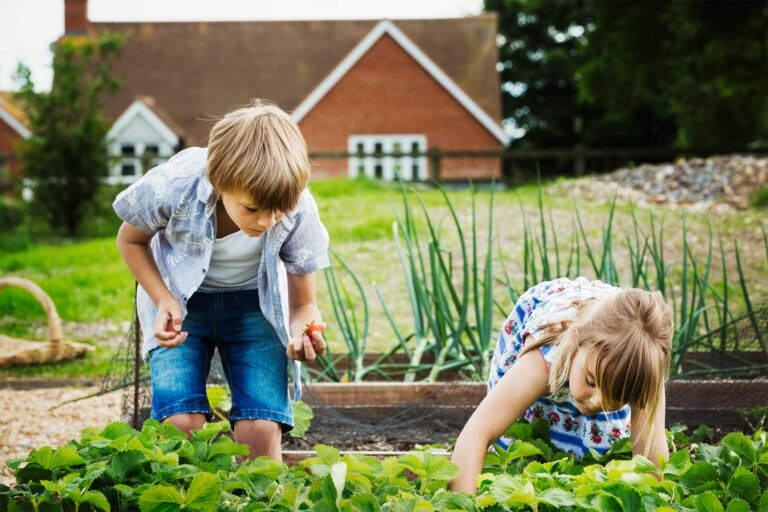
Young attractive girl collecting harvest in garden

Gardening with Tweens and Teens

  • Let older children guide younger ones. Middle school and high school students can be great role models and instructors for small children. The interaction is inspiring and gratifying for both sides.
  •  
  • Challenge veteran gardeners to set new goals. Horticulture will become a way of life for many children who have the benefit of early exposure. Keep it stimulating by supporting them in developing new skills in sustainable gardening .
  •  
  • Go gently with new gardeners. If your teen is new to gardening, they may feel tentative about doing anything that would make them seem different from their peers. Until there’s a reality show or video game to make growing plants officially cool, tread carefully. You might want to start with herb gardens. They’re easy and practical and can even be kept indoors.

Gardening with Children: Summary

Gardening with your children will strengthen your relationship and may even help you cut down on grocery bills.

Help your children get an early start on appreciating nature’s bounty and draw your family closer together with these timeless traditions.

How do you involve your children in the garden?


If you found this post helpful please share!

Leave a Reply

Your email address will not be published. Required fields are marked *

hello friends! i'm amanda

Around here, we’re learning as we go—one season, one project, and one lesson at a time. I’m glad you’re along for the journey.

Share via:

2 Shares
2 Shares 127 views
Share via
Copy link