Frugal Living Friday: Giving Tuesday and the Heart of Generosity
Frugal Living Friday: Giving Tuesday and the Heart of Generosity Home / Frugal Living Friday: Giving Tuesday and the Heart of Generosity Frugal Living Friday:

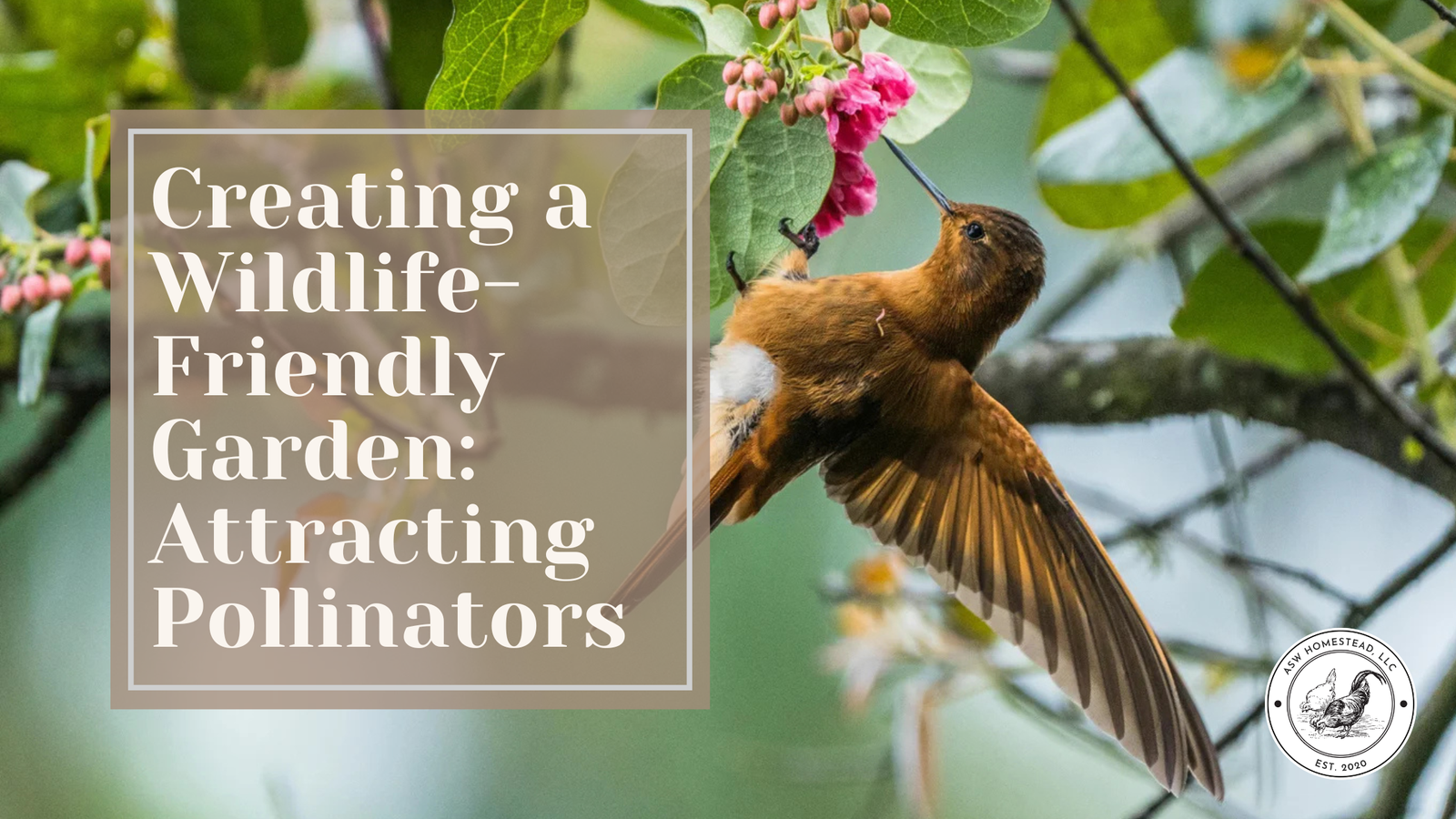
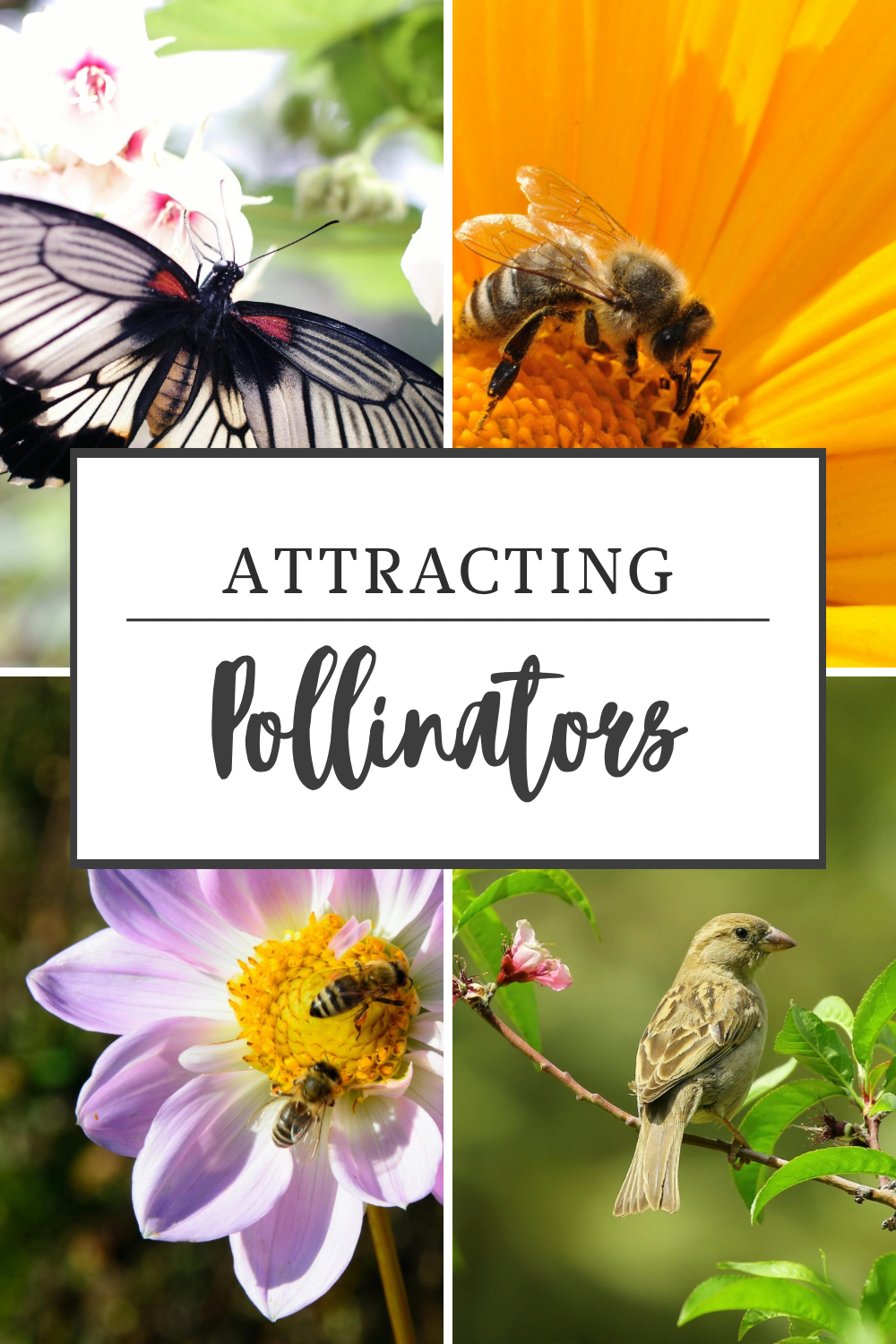
Hello, friends! One of the most rewarding things about gardening is attracting pollinators – bees, butterflies, and birds. Not only are these creatures a joy to watch, but they also play an essential role in the health of your garden. Pollinators help plants reproduce by transferring pollen, ensuring that our flowers bloom, our fruits set, and our vegetables grow.
Creating a wildlife-friendly garden is it’s about giving back to nature by providing a habitat for pollinators to thrive. Today, I’m excited to share some of my favorite tips for attracting pollinators to your garden.
Attracting pollinators to your garden is so important. Pollinators are responsible for pollinating about 75% of the world’s flowering plants and nearly 35% of our food crops. Without them, we wouldn’t have many of the fruits, vegetables, and flowers that we rely on for food and beauty.
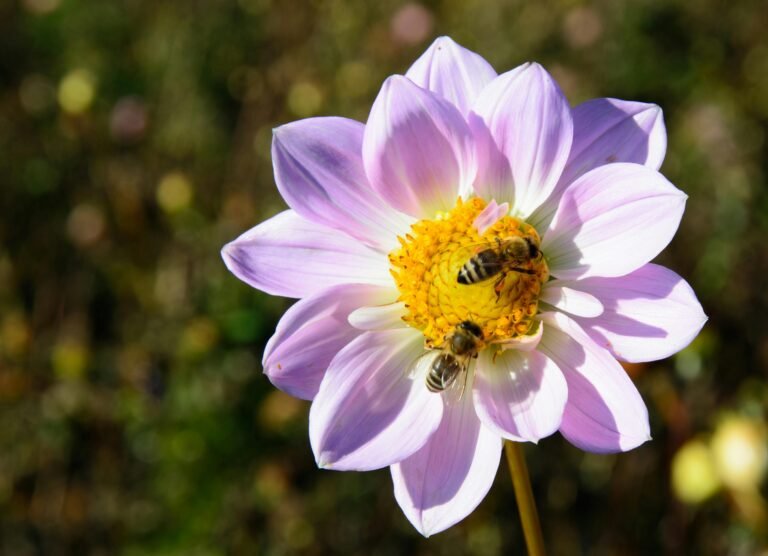
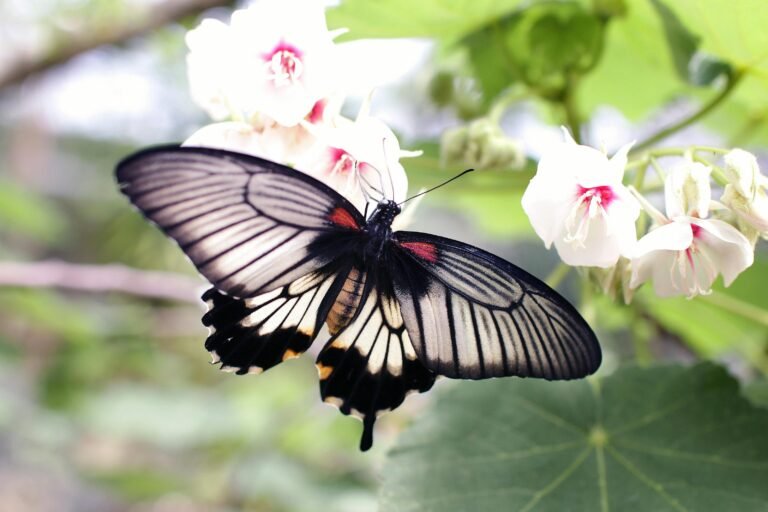
The most effective way to attract pollinators to your garden is to plant the flowers, herbs, and shrubs that they love. Pollinators are attracted to plants that provide them with nectar and pollen, so the more variety you have, the more pollinators you’ll attract.

Native plants have evolved alongside local pollinators. They’re often the best choice for attracting wildlife. Plus, they require less water and maintenance!
Different pollinators are attracted to different types of flowers, so it’s important to offer a variety of shapes, sizes, and colors in your garden. For example:
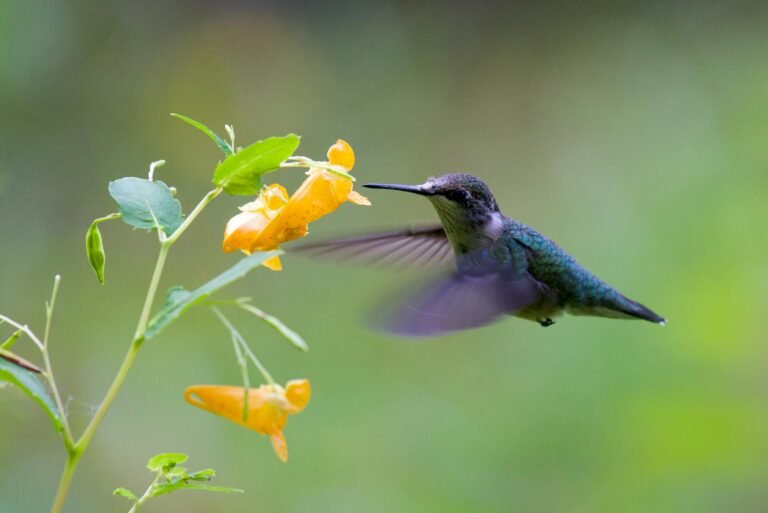
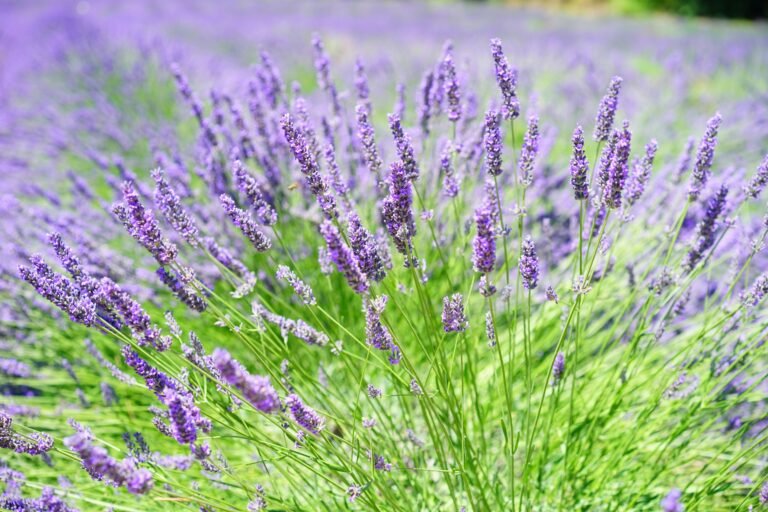
Pollinators need food throughout the growing season, so aim to plant a mix of early, mid, and late-blooming plants. This ensures that there’s always something in bloom for pollinators to feed on, from spring through fall. For example, crocuses and daffodils are great for early spring, coneflowers and lavender bloom in summer, and goldenrod and asters provide nectar in the fall.
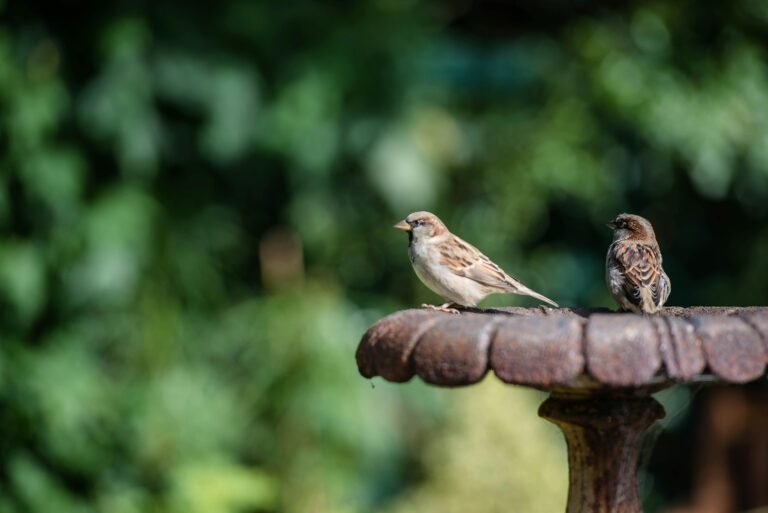
Provide Water Sources Just like us, pollinators need water to survive. A simple birdbath, shallow dish, or even a small pond can provide a much-needed drink for bees, butterflies, and birds. Be sure to add rocks or shallow platforms to your water source, so smaller pollinators like bees have a safe place to land and drink without drowning.
Offer Shelter Pollinators need a safe place to rest and lay their eggs. You can provide this by creating different types of habitats in your garden:
One of the most important things you can do to protect pollinators is to avoid using chemical pesticides and herbicides in your garden. These chemicals can harm or kill pollinators. Instead, use organic pest control methods, such as introducing beneficial insects, using neem oil, or planting companion plants that naturally repel pests.
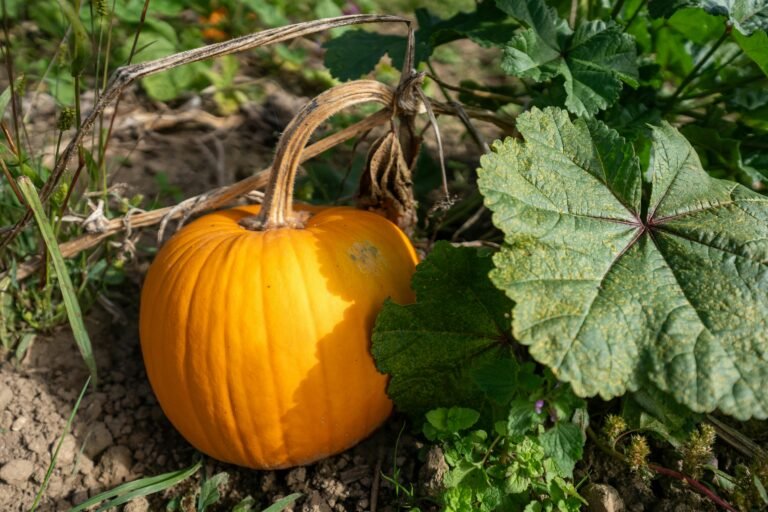
Pollinators don’t just love flowers—they’re also attracted to many herbs and vegetables that you can grow in your garden. By planting pollinator-friendly edibles, you can create a garden feeds your family and supports pollinators.

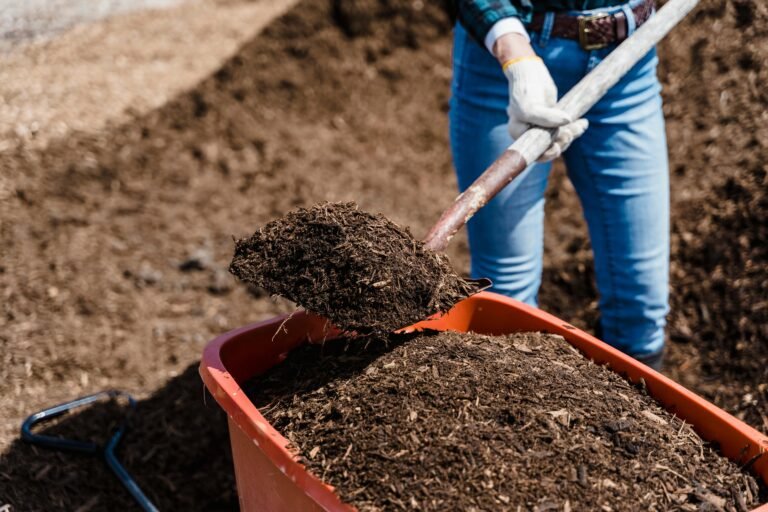
Organic Homemade Mulch helps retain moisture in your garden, suppresses weeds, and improves soil health. Opt for organic mulch like straw, leaves, or wood chips instead of synthetic mulches, which can be harmful to wildlife.
Let Your Garden Go Wild Pollinators love a garden that’s a little bit wild and messy. Letting some areas of your garden grow naturally creates the perfect environment for pollinators to thrive. A little patch of wildflowers or an unmowed area filled with native plants can make a big difference in attracting pollinators.
Plant in Clumps Pollinators are more likely to visit a garden where flowers are planted in large clumps rather than scattered throughout. Grouping similar flowers together makes it easier for pollinators to find and feed on them.
Creating a wildlife-friendly garden is one of the best ways you can support pollinators. By choosing pollinator-friendly plants, providing food, water, and shelter, and keeping your garden as natural as possible, you’ll create a thriving ecosystem that benefits both wildlife and your garden.
Whether you’re growing vegetables, herbs, or flowers, a pollinator-friendly garden helps ensure your plants are well-pollinated, productive, and thriving. But more than that, it creates a space that buzzes with life, beauty, and balance—a space where nature and the homestead work together.
By planting with pollinators in mind, you’re not just improving your harvest—you’re supporting the ecosystem as a whole.
How do you attract pollinators to your garden? I’d love to hear what’s worked for you in the comments below!

Around here, we’re learning as we go—one season, one project, and one lesson at a time. I’m glad you’re along for the journey.
Frugal Living Friday: Giving Tuesday and the Heart of Generosity Home / Frugal Living Friday: Giving Tuesday and the Heart of Generosity Frugal Living Friday:
One Response