Frugal Living Friday: Giving Tuesday and the Heart of Generosity
Frugal Living Friday: Giving Tuesday and the Heart of Generosity Home / Frugal Living Friday: Giving Tuesday and the Heart of Generosity Frugal Living Friday:

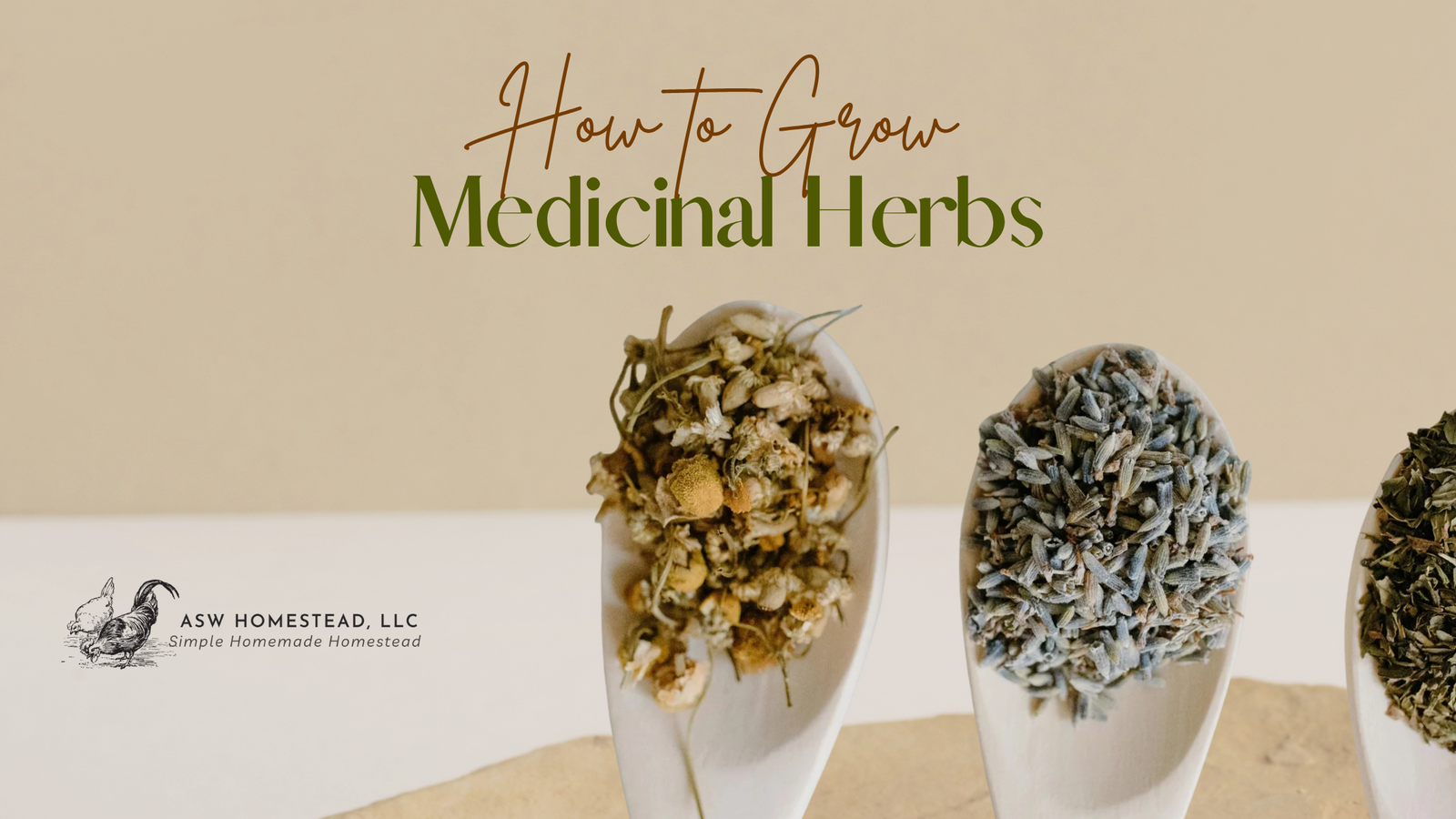
Hello, friends! One of the greatest joys of homesteading is growing plants that not only nourish us but also heal us. I’ve always been fascinated by the power of nature to provide for our health, and growing medicinal herbs has been a big part of my journey toward natural living. Whether you want to make your own herbal remedies of teas, tinctures, salves, or oils, medicinal herbs are a wonderful addition to any homestead garden.
Today, I’m excited to share tips for growing and using some of the best healing herbs that you can easily cultivate at home (medical disclaimer). Whether you have a small herb garden or a larger plot of land, these herbs can help you take control of your health naturally and sustainably.
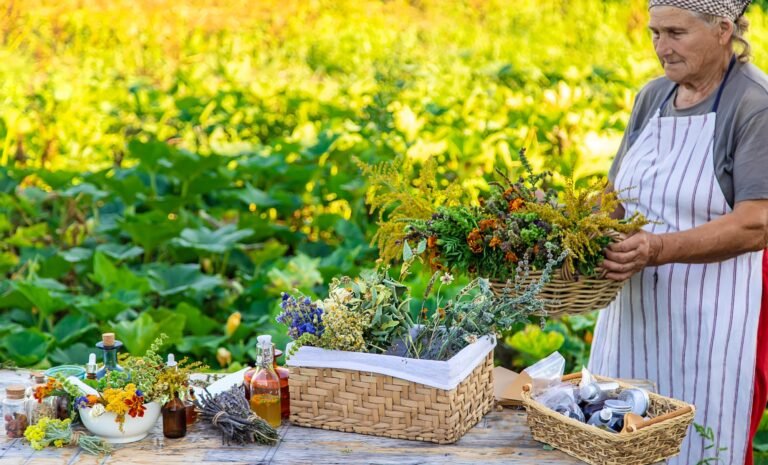
If you’re new to growing medicinal herbs, don’t worry! Many healing herbs are easy to grow, even if you don’t have a lot of gardening experience. Here are some medicinal herbs that are versatile and simple to cultivate.
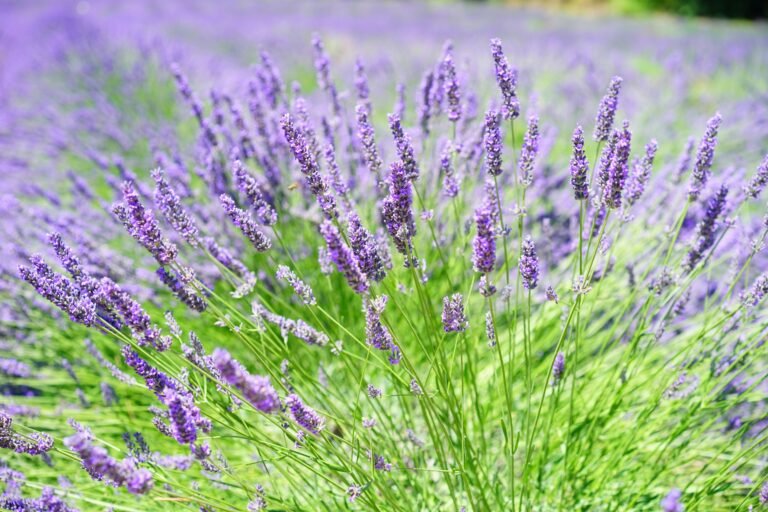
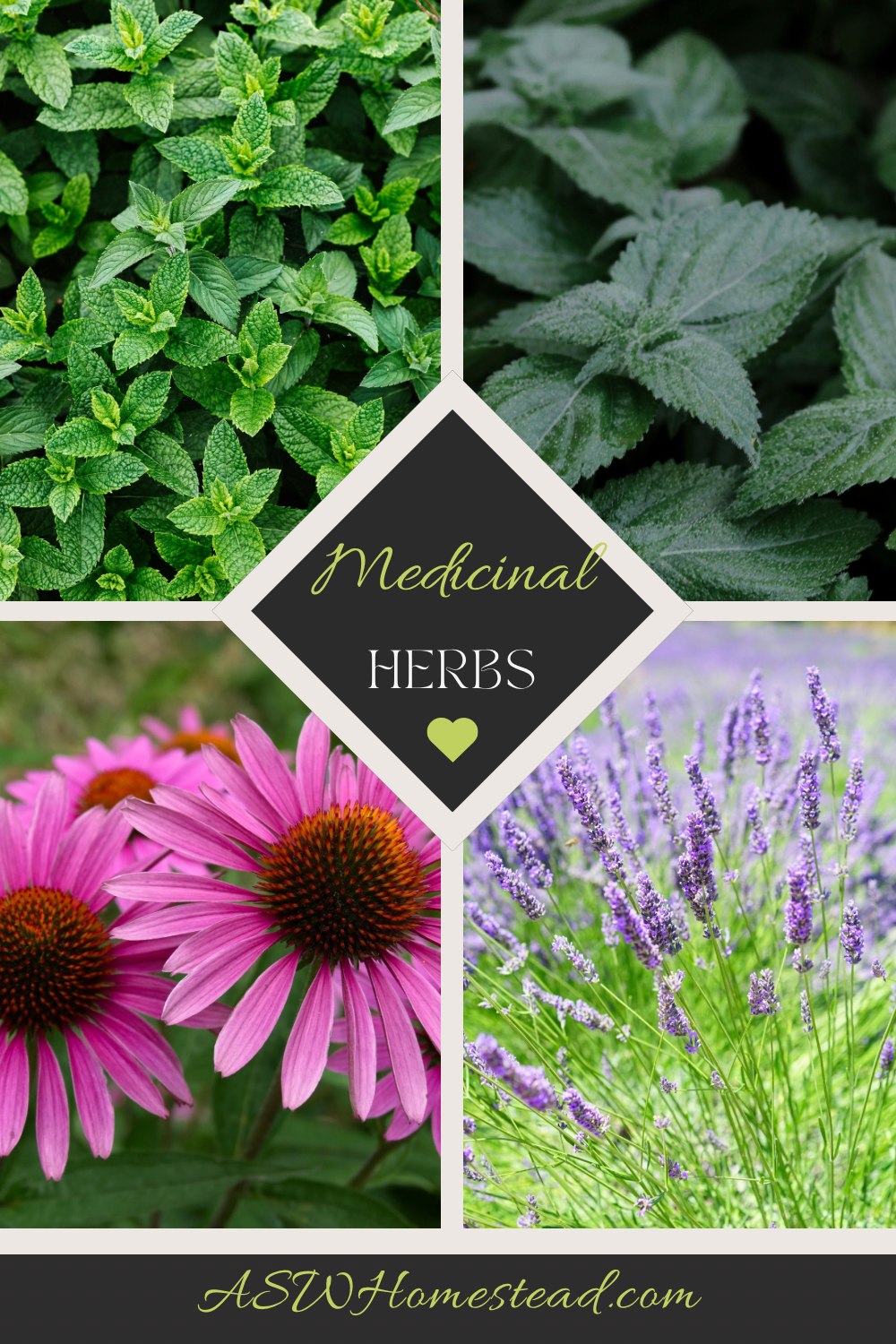
Lavender is one of the most well-known medicinal herbs, famous for its calming and soothing properties. It’s often used to reduce anxiety, promote restful sleep, and ease headaches. Plus, it smells amazing!
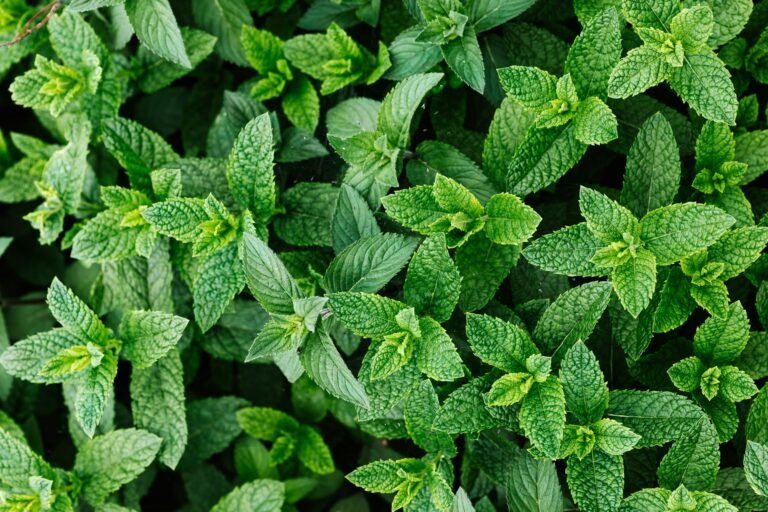
Peppermint is a cooling, refreshing herb used to aid digestion and relieve headaches. It’s also a powerful decongestant, making it useful for colds and respiratory issues.
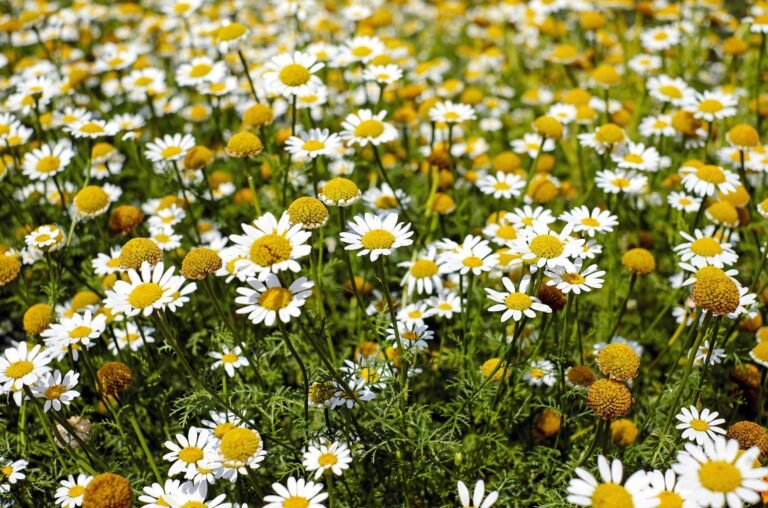
Chamomile is a gentle, calming herb that’s perfect for soothing anxiety, promoting sleep, and relieving digestive issues. Its delicate flowers make it a beautiful addition to any garden.
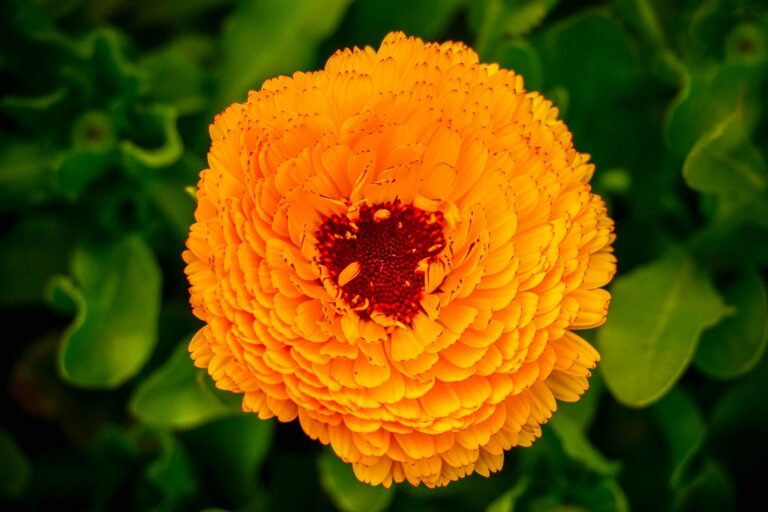
Calendula, often called “pot marigold,” is a powerhouse when it comes to healing the skin. It’s anti-inflammatory and antiseptic, making it perfect for treating cuts, burns, rashes, and other skin irritations.
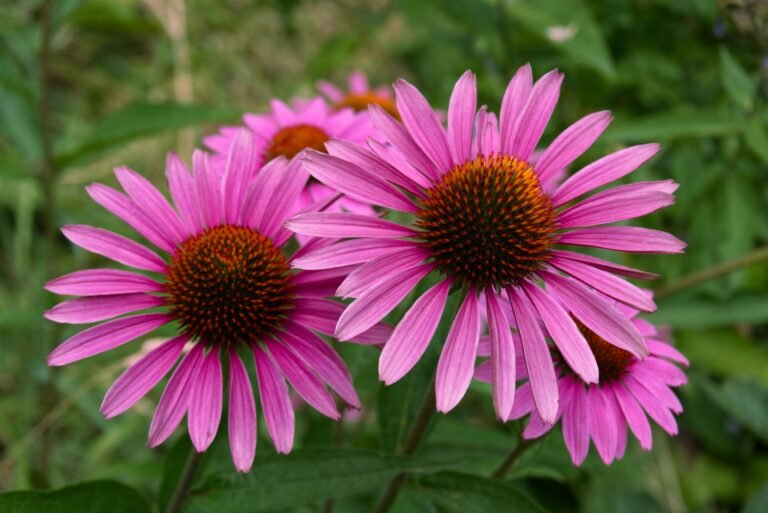
Echinacea, also known as coneflower, is famous for boosting the immune system and helping the body fight off colds, flus, and infections. It’s a hardy perennial with beautiful, daisy-like flowers.
Lemon balm is a calming herb with a bright, lemony scent. It’s commonly used to reduce stress, anxiety, and insomnia. It’s also antiviral, making it useful for treating colds and flu.
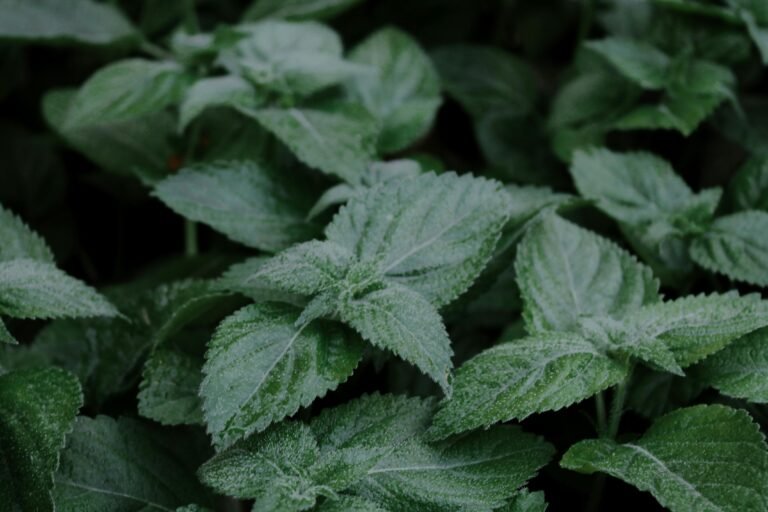
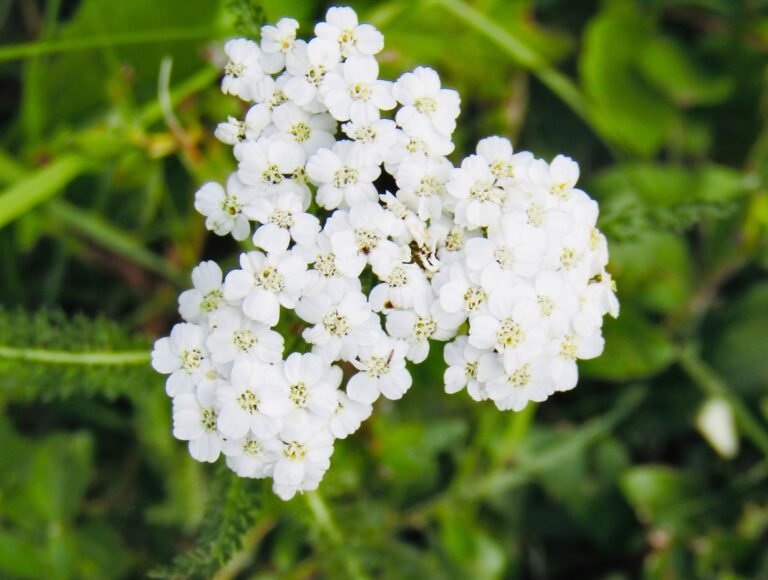
Yarrow is a medicinal herb with a long history of use for healing wounds, reducing inflammation, and stopping bleeding. It’s also used to treat colds, fevers, and digestive issues.
Now that you know some of the best medicinal herbs to grow, let’s talk about a few tips for successfully cultivating, harvesting, and using them in your remedies.
Herbs, like most plants, thrive in nutrient-rich soil. Before planting your herbs, it’s a good idea to amend your garden beds with compost or organic matter to improve soil quality. Most medicinal herbs prefer well-drained soil, so if you have heavy clay soil, consider adding some sand or perlite to improve drainage.

While many herbs are drought-tolerant once established, they still need regular watering to get started. Be sure to water your herbs consistently during their first few weeks of growth. After that, you can adjust your watering schedule based on the needs of each plant. Most medicinal herbs prefer full sun, but some (like lemon balm and peppermint) can tolerate partial shade.
When it comes to harvesting medicinal herbs, timing is everything! For leafy herbs like peppermint, lemon balm, and chamomile, it’s best to harvest them in the morning after the dew has dried but before the sun is too hot. This is when the essential oils in the plants are most concentrated. For flowers like calendula and chamomile, pick them when they’re fully open but before they start to wither.
Always use sharp scissors or pruning shears to avoid damaging the plant. Don’t harvest more than one-third of the plant at a time to ensure it continues to thrive.
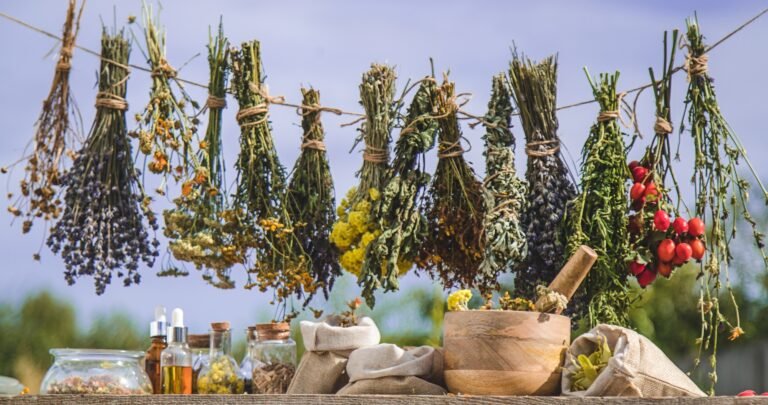
To preserve your medicinal herbs for future use, you’ll want to dry them properly. The simplest method is to bundle your herbs and hang them upside down in a dry, dark place with good air circulation. Once they’re fully dried, store them in airtight glass jars in a cool, dark cabinet to preserve their potency.
Growing medicinal herbs is such a rewarding and empowering experience. Not only do you get to enjoy the beauty and fragrance of these plants in your garden, but you also have the tools to care for your health naturally and sustainably. Whether you’re soothing a headache with lavender tea, calming anxiety with lemon balm, or healing a cut with calendula salve, you’ll be amazed at the healing power that’s right at your fingertips.
So, if you haven’t already, I encourage you to start your own medicinal herb garden. Even if it’s just a few pots on your windowsill, you’ll soon discover the joy of growing and using your own herbal remedies.
Around here, we’re learning as we go—one season, one project, and one lesson at a time. I’m glad you’re along for the journey.
Frugal Living Friday: Giving Tuesday and the Heart of Generosity Home / Frugal Living Friday: Giving Tuesday and the Heart of Generosity Frugal Living Friday:
3 Responses