Jump to Recipe Print Recipe

Frugal Living Friday: Saving on Groceries by Eating Less Meat

Hello friends, and welcome back to another Frugal Living Friday here at ASW Homestead!

I don’t know about you, but every time I walk through the grocery store lately, I feel that sticker shock—especially in the meat aisle. Prices just keep climbing, and feeding a family while staying within budget feels harder than ever.

Over the years, I’ve learned that one of the simplest ways to stretch our grocery dollars is to buy less meat. I know that might sound impossible at first (especially if your family loves a hearty dinner), but hear me out. You don’t have to give it up entirely—just use it more thoughtfully.

By swapping a few dinners each week for hearty vegetarian meals, you can save a surprising amount of money—sometimes 30 to 50% of your grocery spending—without anyone at the table feeling deprived. It’s all about getting creative with the vegetables, beans, and grains you already have on hand.

And the best part? Many of these meatless meals are not only cheaper but also comforting, filling, and healthy. It’s a small shift that makes a big difference—for your wallet, your health, and your sense of stewardship over what God provides.

1. Stretching Your Grocery Dollars with Vegetables and Protein Alternatives

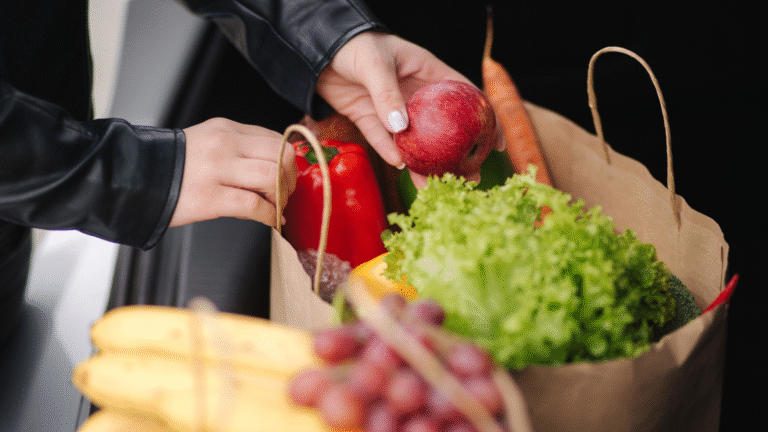
Vegetables are the heart of many frugal meals. Fresh, frozen, or homegrown, they can stretch a small amount of meat—or replace it altogether. Add beans, lentils, eggs, tofu, or quinoa for protein that’s filling and affordable.

Here are a few homestead-friendly ideas to get started:

  • Hearty soups and stews made with beans, lentils, or root vegetables.

  • Stir-fried veggies and rice, flavored with soy sauce, sesame oil, and a sprinkle of chopped nuts.

  • Baked potatoes or sweet potatoes topped with black beans, corn, and cheese.

  • Homemade veggie chili or bean burritos for quick, protein-packed dinners.

When your garden’s in full swing, you’ll be amazed at how far a basket of fresh vegetables can go—and how little meat you actually need.

2. Make Meat a Supporting Player, Not the Star

If the thought of skipping meat entirely feels too drastic, start by using it in smaller amounts. On the homestead, we often treat meat more like a flavor enhancer than the main attraction — a way to stretch what we have while still bringing depth and richness to the meal.

Try these easy adjustments:

  • Add shredded chicken or ground beef to soups, casseroles, or pasta dishes instead of serving it as a full portion.

  • Use bacon crumbles or sausage bits to season vegetables or beans — a little goes a long way!

  • Save and cook with bacon grease for extra flavor when sautéing onions, greens, or potatoes. It adds a smoky richness that makes simple ingredients taste incredible.

  • Toss leftover roast or ham into fried rice, omelets, or baked pasta dishes for hearty meals that stretch further.

When you use meat this way, it becomes more of a seasoning than the star of the show — and that’s where the real savings (and flavor!) happen. With the right combination of herbs, spices, and fresh vegetables, even a small amount of meat can help create satisfying, full-flavored meals.

3. Plan Meatless Meals Into Your Weekly Menu

The easiest way to save is to plan for it. When writing your weekly menu, intentionally schedule 2–3 vegetarian dinners. Not only will you see your grocery bill drop, but you’ll also simplify your cooking and feel good about serving wholesome, balanced meals.

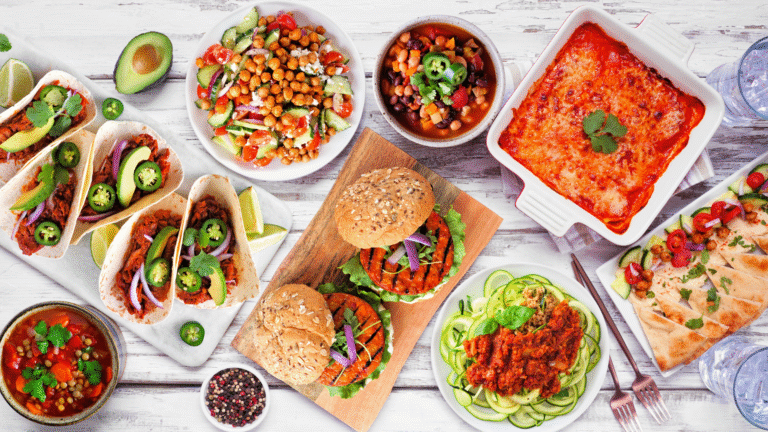
Start with dishes your family already enjoys—mac and cheese, pasta with marinara, veggie tacos, or breakfast-for-dinner with eggs and pancakes. Slowly add new recipes until meatless meals become a normal part of your week.

Frugal living isn’t about cutting corners—it’s about making choices that reflect gratitude, creativity, and care for your family’s needs.

Bonus Recipe: Hearty Homestead Veggie Chili

One of our family’s go-to meatless meals is this Hearty Homestead Veggie Chili. It’s warm, comforting, and so filling you won’t even miss the meat. Best of all, it’s inexpensive to make, especially if you use beans from your pantry and vegetables you already have on hand—or even from your garden.

This recipe feeds a crowd, freezes beautifully, and tastes even better the next day. Serve it with cornbread or over baked potatoes for a frugal, wholesome dinner that everyone will love.

Print

Hearty Homestead Veggie Chili

This Hearty Homestead Veggie Chili is the perfect example of frugal, faithful cooking—simple ingredients, big flavor, and zero waste. It’s a nourishing meal that brings comfort to the table while keeping your grocery budget right where it should be.
Course Main Course
Cuisine Homestead, Vegetarian
Keyword frugal recipe, homestead cooking, meatless dinner, pantry recipe, vegetarian chili
Prep Time 15 minutes
Cook Time 35 minutes
Total Time 50 minutes
Servings 6 people

Equipment

  • Large pot or Dutch oven
  • Wooden spoon

Ingredients

  • 2 tbsp Olive oil
  • 1 large Onion, diced
  • 2 Carrots, chopped
  • 2 Celery stalks, chopped
  • 1 Bell pepper, diced
  • 3 Cloves garlic, minced
  • 2 cans (15 ounces each) Diced tomatoes
  • 2 cans (15 ounces each) Beans (any mix of black, kidney, or pinto), drained and rinsed
  • 1 cup Corn (fresh, frozen, or canned)
  • 2 tsp Chili powder
  • 1 tsp Cumin
  • 1 tsp Smoked paprika
  • 1/2 tsp Salt (adjust to taste)
  • 1/4 tsp Black pepper
  • 1-2 cups Vegetable broth (adjust for desired thickness)
  • Optional toppings: shredded cheese, avocado, green onion, sour cream

Instructions

  • In a large pot, heat olive oil over medium heat. Add onion, carrot, celery, and bell pepper. Cook until softened, about 5–7 minutes.
  • Stir in garlic and cook for another 30 seconds, until fragrant.
  • Add tomatoes, beans, corn, chili powder, cumin, smoked paprika, salt, pepper, and vegetable broth. Stir well to combine.
  • Bring to a simmer, then reduce heat and cook uncovered for 25–30 minutes, stirring occasionally.
  • Taste and adjust seasoning as needed.
  • Serve warm with your favorite toppings and a side of cornbread or crusty bread.

Notes

  • Add leftover cooked rice or quinoa for an even heartier dish.
  • Use fresh garden veggies like zucchini or okra to change up the flavor.
  • Freeze leftovers in single-serving containers for quick lunches.
  • If your family isn’t fully vegetarian, stir in a small handful of cooked, shredded chicken or ground turkey to stretch leftovers even further.

Simple Choices, Big Savings

By eating less meat, you’ll not only stretch your grocery dollars but also open the door to more variety, nutrition, and creativity in your kitchen.

Whether you grow your own produce, shop local farmers’ markets, or just buy what’s in season, the savings add up—and so does the satisfaction of feeding your family well.

Good stewardship starts in the everyday choices we make. It’s in the meals we cook, the waste we avoid, and the gratitude we express for God’s provision.

So next time you plan your menu, make it a challenge: how many delicious meals can you create without meat as the main course? You might just discover that simpler can be better.

“Better a small serving of vegetables with love than a fattened calf with hatred.” – Proverbs 15:17

Leave a Reply

Your email address will not be published. Required fields are marked *

Recipe Rating


hello friends! i'm amanda

Around here, we’re learning as we go—one season, one project, and one lesson at a time. I’m glad you’re along for the journey.

Share via:

0 Shares
0 Shares 72 views
Share via
Copy link