
Frugal Living Friday: Giving Tuesday and the Heart of Generosity
Frugal Living Friday: Giving Tuesday and the Heart of Generosity Home / Frugal Living Friday: Giving Tuesday and the Heart of Generosity Frugal Living Friday:


Hello friends, and welcome back to another Frugal Living Friday here at ASW Homestead!
Feeding a family has never been more expensive. Between inflation, higher food production costs, and supply chain shifts, many of us are feeling the squeeze every time we check out at the grocery store. For homesteaders and families trying to live simply and steward their budgets well, the rising price of food can be discouraging—but there’s hope.
With a few practical changes and intentional habits, you can stretch your grocery budget without sacrificing nutrition or flavor. These four strategies will help you save big, reduce waste, and put wholesome meals on the table—all while keeping your family’s finances in check.
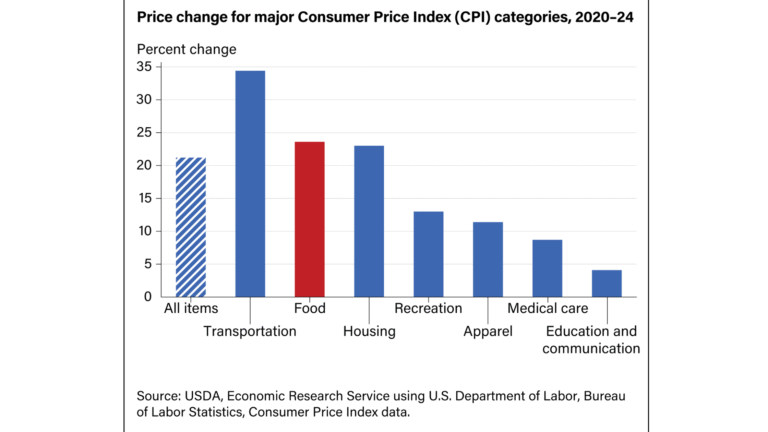
The numbers tell the story clearly:
According to the USDA’s Center for Nutrition Policy and Promotion, the cost to feed a family of four in 2025 ranges from roughly $1,000 to $1,600 per month, depending on spending habits and dietary choices.
Consumer Price Index data shows that grocery prices have risen more than 23% since 2020, and the upward trend continues.
While these numbers can feel overwhelming, being intentional about how and where you shop makes all the difference.
To see the biggest savings, skip pre-packaged, pre-washed, or pre-cooked foods. Those time-savers come with a hidden cost.
Choose whole ingredients you can prepare at home. It’s cheaper, healthier, and gives you control over what goes into your food.
Cook at home instead of eating out. If you’re short on time or experience, start with simple recipes or cook double batches and freeze leftovers.
Use up ingredients before they spoil—there are websites and apps that let you enter what you have on hand and find recipes instantly.
Homestead tip: Batch cooking and freezing meals on weekends can save both time and money during busy weeks.

Meal planning is one of the most powerful tools for budget-friendly living.
Check your grocery store’s circulars or apps for weekly specials.
Plan meals around discounted meats, produce, or pantry staples.
Buy marked-down meats and freeze them for later use.
A little planning goes a long way—especially when you stock your pantry and freezer strategically.
No single store has the best prices on everything.
Explore regional grocers, local farmer’s markets, and smaller stores for better deals.
Consider warehouse clubs for bulk purchases of essentials.
Compare loyalty programs and rewards apps to see which truly benefit your family.
Homestead tip: Local markets often discount produce at the end of the day. Build relationships with vendors—you might get even better deals over time!

Smart couponing isn’t about hoarding—it’s about strategy.
Sign up for your favorite store’s loyalty program and link digital coupons to your account.
Use manufacturer coupons on sale items for double savings.
Focus on buying what you already use—don’t be tempted by “deals” on things you wouldn’t normally buy.
Even modest coupon use can add up to hundreds in yearly savings.

Rising grocery costs are a challenge, but they’re also an opportunity to live more intentionally. Cooking from scratch, planning ahead, and finding joy in simple, wholesome meals can transform both your table and your budget.
As stewards of what God provides, we’re called to make wise use of our resources—time, money, and food included. With a little planning and creativity, you can feed your family well, live frugally, and rediscover the satisfaction of a homemade meal shared in gratitude.
“She watches over the affairs of her household and does not eat the bread of idleness.” – Proverbs 31:27

Around here, we’re learning as we go—one season, one project, and one lesson at a time. I’m glad you’re along for the journey.
Frugal Living Friday: Giving Tuesday and the Heart of Generosity Home / Frugal Living Friday: Giving Tuesday and the Heart of Generosity Frugal Living Friday: