Frugal Living Friday: Giving Tuesday and the Heart of Generosity
Frugal Living Friday: Giving Tuesday and the Heart of Generosity Home / Frugal Living Friday: Giving Tuesday and the Heart of Generosity Frugal Living Friday:

Hello Friends! As the seasons have changed, so has our family’s rhythm. Moving to a new home meant leaving behind some of the daily routines of our former homestead — the garden rows, the morning feedings, the constant hum of outdoor projects. Life looks different now. The kids are older, school schedules are fuller, and our days often feel busier than they used to.
Yet even in this new season, the heart of homesteading remains the same for us: learning, working, and growing together wherever God has planted us. It’s no longer about how many animals we keep or how much we preserve, but about how we stay connected — to one another, to creation, and to the values that homesteading taught us from the start.
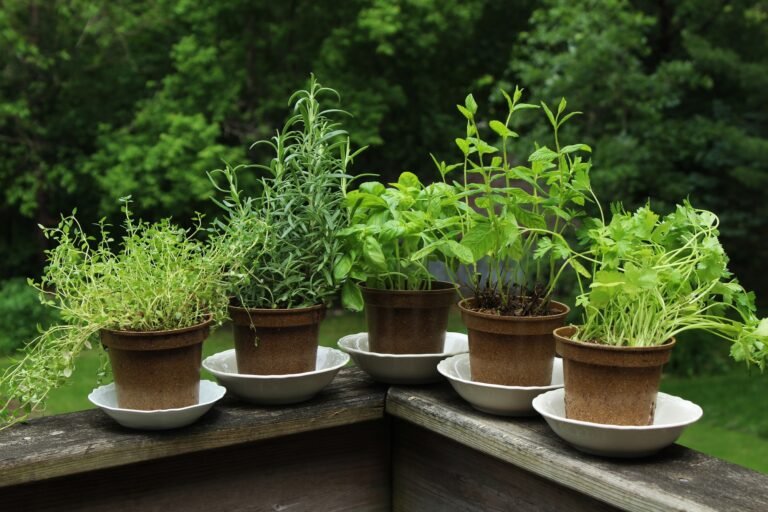
We still look for small ways to live with purpose as a family. Whether it’s cooking a meal together, tending to a few potted herbs on the porch, or simply spending time outdoors, those moments continue to remind us that the lessons of homesteading reach far beyond the garden.
Here’s how we’re continuing to involve our kids in meaningful, hands-on ways — even as life shifts and our family grows into a new chapter.
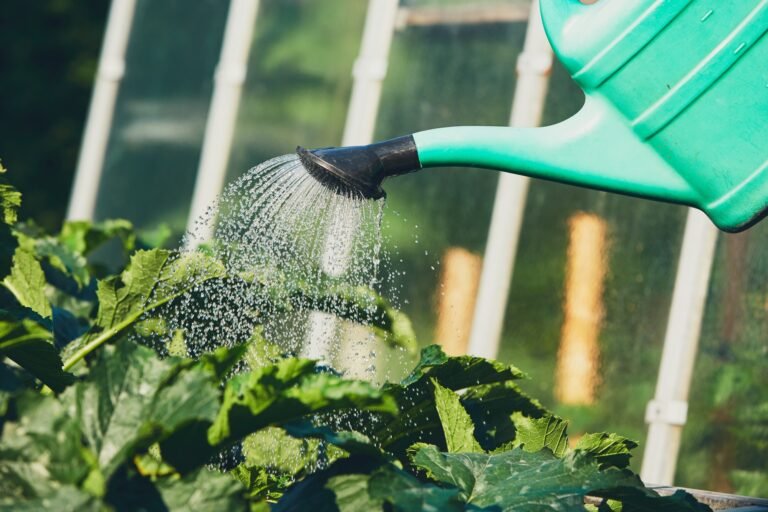
We want our kids to see chores not as a burden but as a meaningful part of family life. Everyone contributes according to their age and ability, and their help truly makes a difference.
Daily tasks have included:
Some days there’s grumbling. Some days there’s joy. But always, there’s purpose.
Why it matters: Chores teach our kids that they are capable, needed, and valued. They also learn that even small tasks—like gathering eggs or pulling weeds—contribute to the bigger picture.

The homestead is one big classroom. Our children learn science through plant life cycles, math through measuring feed, and character through setbacks like sick animals or failed seedlings.
We don’t force learning—we invite it. If someone’s curious about a bug in the garden or how to cook an herb they picked, we dig in together.
Faith takeaway: God reveals Himself in creation. Watching our kids marvel at a hatching chick or a sprouting seed reminds us that wonder is one of the best teachers.
“He makes grass grow for the cattle, and plants for people to cultivate—bringing forth food from the earth.” – Psalm 104:14
There’s something powerful about shoulder-to-shoulder work. Some of our best conversations with our kids happen while we’re weeding together or gathering firewood for the firepit.
In these moments, we talk about more than just chores. We talk about school, friends, dreams, and fears. We talk about what it means to serve, to lead, and to follow Jesus.
Tip: Don’t underestimate the value of quiet togetherness. Sometimes presence matters more than productivity.
When we sit down to eat something our kids helped grow, collect, or cook, we make sure to tell them. “These eggs came from your chickens.” “You picked the basil for this sauce.” “Remember how we weeded this row? Look what it produced.”
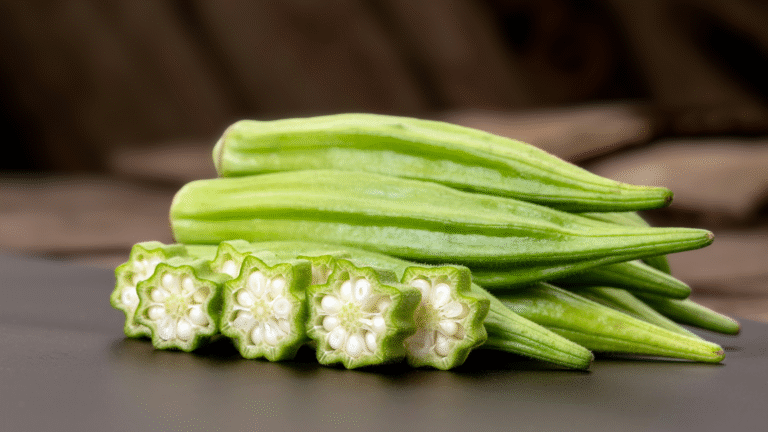
This year, our youngest son got to experience that joy in a new way. He spent part of the summer helping his grandparents plant peppers and okra in their garden—watering them faithfully and pulling the weeds that threatened to take over. Weeks later, he got to receive the harvest of what he had helped tend, and his smile when he tasted the okra he helped grow said it all.
Moments like that remind us that the work of growing food isn’t just about the harvest—it’s about the connection it creates across generations. It’s about seeing God’s provision through the simple gifts of soil, sun, and hands that work together.
Why it matters: It gives our kids ownership, pride, and gratitude. And it helps connect the dots between effort and provision.
“The hardworking farmer should be the first to receive a share of the crops.” – 2 Timothy 2:6
Homesteading is not just about self-sufficiency—it’s about stewardship. We teach our kids that everything we have is from the Lord, and we are called to care for it well.
This means we:
Faith tie-in: Stewardship connects work with worship. It reminds our kids (and us) that our daily tasks are acts of obedience and gratitude.
Homesteading as a family is equal parts messy and meaningful. There are days when the mud tracks farther than I’d like and nights when the dishes wait while we finish canning apples. But in those moments, I see the heart of why we do this — not for a perfect homestead, but for a family that works, learns, and grows together.
If you’re beginning your own journey or simply want to draw your family closer to the rhythms of creation, start small. Invite your children into the process — to water a plant, gather eggs, or say a prayer over dinner for the hands that helped grow it.
Because at the end of the day, the greatest harvest we’ll ever reap isn’t just what comes from the soil — it’s the faith, gratitude, and togetherness that grow right alongside it.
So here’s to the muddy boots, the messy kitchen counters, and the beautiful, holy work of raising a family rooted in purpose. 🌻

I’m here to share recipes and ideas to help others make their home a simple homemade homestead.
Frugal Living Friday: Giving Tuesday and the Heart of Generosity Home / Frugal Living Friday: Giving Tuesday and the Heart of Generosity Frugal Living Friday: